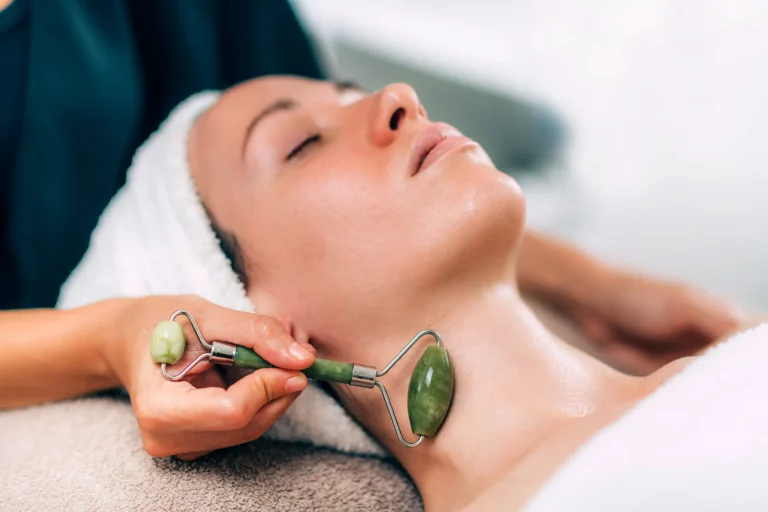
Massage therapy is often associated with relaxation, spa treatments, and stress relief. But recent research is raising an important question: Can massage provide measurable improvements in pain, physical function, and overall well-being?
The answer depends on the condition being studied, the type of massage, the treatment schedule, and the quality of the available evidence.
Recent clinical research has found encouraging results in some areas, particularly certain types of musculoskeletal pain. At the same time, many studies remain limited by small sample sizes, short follow-up periods, or differences in massage techniques.
This article looks at what massage therapy research actually tells us about its potential benefits, where the evidence is strongest, and when more research is still needed.
WHAT IS MASSAGE THERAPY?
Massage therapy involves the manual manipulation of the body’s soft tissues and may include pressure, kneading, stroking, and other hands-on movements.
Massage therapists work in a variety of settings, including spas, healthcare practices, private residences, and clients’ homes. The type of massage, pressure, and techniques used depend on individual preferences, goals, and health considerations.
Different massage approaches can be used for different purposes. Some may focus on relaxation, while others use targeted techniques around particular areas of muscle tension or discomfort.
Because these approaches differ, research findings from one type of massage or one medical condition should not automatically be applied to every massage treatment.
WHAT DOES THE LATEST RESEARCH SAY ABOUT MASSAGE THERAPY?
Recent research provides a more detailed picture of massage therapy benefits.
A 2024 evidence review published by the Cochrane Collaboration examined massage for neck pain and found that its effectiveness remains uncertain because much of the available research has limitations.
The review found that massage may provide little or no meaningful improvement in pain or physical function compared with a placebo treatment for some people with persistent neck pain.
Other studies have reported short-term improvements, suggesting that results may depend on the condition, treatment schedule, and study design.
The evidence matters. It means that although massage therapy has been investigated for many conditions, the amount and quality of evidence are not equal across all applications.
MASSAGE THERAPY AND CHRONIC NECK PAIN
One of the more frequently studied areas of massage therapy is chronic neck pain.
A randomized controlled trial published in 2014 included 228 adults with chronic, nonspecific neck pain. Participants received different massage schedules over four weeks, while a comparison group was placed on a waiting list.
The researchers found that some participants receiving longer and more frequent massage sessions reported meaningful short-term improvements in neck pain and related physical function.
However, the findings did not establish that massage provides lasting relief for everyone.
A follow-up study published in 2015 examined whether additional massage sessions could help maintain improvements. Some short-term benefits were observed, but these were not clearly sustained several months after treatment ended.
More recently, a 2024 Cochrane review highlighted uncertainty about massage’s effectiveness for persistent neck pain, particularly when compared with placebo treatments.
WHAT DOES THIS MEAN?
The available evidence suggests that massage may be associated with improvements in chronic neck pain and disability in some cases, but results vary across studies.
Massage should therefore be considered a possible complementary approach rather than a guaranteed treatment or replacement for appropriate medical care.
MASSAGE THERAPY FOR MUSCULOSKELETAL PAIN
Neck pain is not the only area being investigated.
Previous evidence mapping has identified research examining massage for several pain conditions, including back, shoulder, and other musculoskeletal problems. However, the strength of evidence has historically varied, with methodological limitations and differences in massage techniques making broad conclusions difficult.
A more recent systematic review of massage compared with standard nonsurgical treatments for neck pain included 42 studies involving 2,656 participants. The researchers found that the certainty of evidence varied from very low to moderate depending on the comparison and outcome, and they highlighted limitations including imprecision and risk of bias.
This is an important point for anyone researching massage therapy: positive findings do not automatically mean strong evidence.
The treatment may be useful for particular people and conditions, but researchers continue to investigate the appropriate treatment dose, techniques, and duration.
MASSAGE THERAPY AFTER CARDIAC SURGERY
Massage has also been studied as a supportive approach to managing pain in hospital settings.
A 2026 systematic review and meta-analysis examined randomized controlled trials involving massage and music interventions for pain during the first 48 hours after cardiac surgery. The review included 19 randomized controlled trials, including eight investigating massage.
The researchers reported a statistically significant reduction in pain severity associated with massage interventions during the first 48 hours after intensive care admission.
This research is particularly relevant because it illustrates how massage can be investigated as a complementary intervention alongside conventional medical care, rather than as a replacement for medical treatment.
MASSAGE THERAPY AND NON-PAINFUL HEALTH CONDITIONS
Pain relief is only one area of research.
A 2026 evidence map found research investigating massage or related acupressure approaches for several non-painful health conditions. However, the strength of evidence varied.
The strongest finding in that review was high-certainty evidence for abdominal massage and functional constipation.
Moderate-certainty findings included evidence relating to sleep outcomes in certain patient groups and massage therapy for depressive symptoms in people living with dementia. For most other conditions reviewed, the certainty of evidence remained low or very low.
This is why responsible massage therapy content should avoid statements such as “massage cures depression,” “massage treats disease,” or similar blanket claims.
The research is more appropriately described in terms of specific populations, outcomes, and levels of evidence.
IS MASSAGE THERAPY ONLY ABOUT RELAXATION?
Relaxation remains an important reason people seek massage therapy, but the research landscape is broader than relaxation alone.
Massage is being studied in relation to:
- Musculoskeletal pain
- Chronic neck pain
- Physical discomfort
- Postoperative pain
- Functional constipation
- Sleep-related outcomes
- Certain symptoms associated with dementia
- General relaxation and well-being
The evidence is not equally strong in all these areas, however.
For health-related claims, it is better to describe massage therapy as a potential complementary approach where benefits depend on the individual, condition, and treatment approach.
HOW OFTEN SHOULD YOU GET MASSAGE THERAPY?
There is no single evidence-based schedule that applies to everyone.
The appropriate frequency depends on why someone is receiving massage, the treatment approach, the individual’s health circumstances, and the goals of therapy.
For example, a recent randomized trial used two 60-minute massage sessions per week for 12 weeks among veterans with chronic neck pain. This schedule should not be interpreted as a universal recommendation for everyone seeking massage. It was the specific protocol tested in that clinical trial.
Someone seeking massage primarily for relaxation may have very different needs from someone receiving therapist-delivered massage as part of a structured approach to chronic musculoskeletal pain.
IS MASSAGE THERAPY SAFE?
Available research generally does not indicate that serious adverse events are a common consequence of massage therapy, but safety evidence is not equally well reported across all studies.
A 2026 evidence map noted that seven of the 13 systematic reviews it analyzed collected adverse-event information. These reviews did not identify serious adverse events attributed to massage therapy, but the researchers also noted that adverse-event reporting was often incomplete or inconsistent.
This means safety should still be considered on an individual basis.
People with significant medical conditions, recent surgery, unexplained pain, blood-clotting concerns, or other health issues should discuss whether massage is appropriate with a qualified healthcare professional before treatment.
THE GROWING ROLE OF MASSAGE THERAPY
Massage therapy is also becoming an established professional service rather than being limited to traditional spa environments.
According to the U.S. Bureau of Labor Statistics, there were approximately 155,400 massage therapist jobs in 2025, with employment projected to increase by 15% between 2025 and 2035. The agency projects approximately 20,400 openings per year over that period.
Massage therapists work in settings that include spas, healthcare practitioners’ offices, and clients’ homes, demonstrating the variety of environments in which massage services are delivered.
WHAT THE EVIDENCE DOES AND DOES NOT SHOW
The reviewed research supports a more balanced understanding of massage therapy.
There is evidence that therapist-delivered massage can improve outcomes such as pain severity and disability in certain circumstances. The recent randomized trial involving veterans with chronic neck pain provides particularly useful evidence in this area.
There is also research investigating massage as a complementary approach to postoperative pain management and other health outcomes.
At the same time, evidence certainty remains limited for many conditions. The latest evidence maps specifically found that most conclusions concerning non-painful health conditions were supported by low- or very-low-certainty evidence.
Therefore, massage therapy is best understood as a treatment modality with condition-specific evidence, rather than a universal solution.
Massage therapy is being studied increasingly through clinical trials and systematic reviews rather than only through general wellness research.
The latest evidence suggests that massage can have measurable effects in certain situations, particularly some forms of musculoskeletal and chronic pain. Research also supports further investigation of massage for specific non-painful health outcomes, while the certainty of evidence varies considerably between conditions.
At Zynk Home Massage Therapy, each session is designed around your individual needs, whether you’re looking to relax, ease muscle tension, or support recovery after a demanding day. Our professional massage therapists provide personalized treatments in a comfortable setting, helping you make massage therapy a consistent part of your wellness routine.
For people considering massage therapy, the most useful question is therefore not simply “Does massage work?”
A better question is:
“What does the evidence say about massage therapy for the specific outcome I am looking for?”
That approach keeps expectations realistic while recognizing where current research does support potential benefits.
FAQs
What is massage therapy?
Massage therapy is a hands-on treatment that involves applying pressure and movement to the body’s soft tissues, including muscles and connective tissues. Different massage techniques may support relaxation, ease muscle tension, and address specific therapeutic goals.
What are the benefits of massage therapy?
Research suggests that massage therapy may help with certain types of pain, muscle tension, physical discomfort, and relaxation. Some studies have also explored its effects on sleep and other health outcomes. However, the strength of scientific evidence varies depending on the condition, massage technique, and study quality.
Can massage therapy help with chronic neck pain?
Massage therapy may help some people manage chronic neck pain. A randomized trial involving 290 veterans reported improvements in neck pain severity and neck-related disability compared with a waitlist group. However, other research has found uncertain benefits, so massage should not be considered a guaranteed treatment.
How often should you get massage therapy?
There is no single massage therapy schedule suitable for everyone. Frequency depends on individual needs, treatment goals, health conditions, and the type of massage. Clinical studies sometimes use specific treatment schedules, but these should not automatically be treated as recommendations for everyone.
Is massage therapy good for muscle pain?
Massage therapy may help reduce pain and improve physical function in some people with musculoskeletal conditions. However, results vary depending on the underlying condition, massage technique, treatment duration, and quality of the available research.
Can massage therapy help with relaxation and stress?
Massage therapy is commonly used to promote relaxation and help people unwind. Some research has examined its effects on stress-related and well-being outcomes, but results vary across studies. Massage can be part of a broader self-care routine alongside adequate sleep, physical activity, and other healthy habits.
Is massage therapy safe?
Massage therapy is generally considered a relatively low-risk approach for many people when provided appropriately. However, it may not be suitable for everyone. People with recent surgery, suspected blood clots, significant medical conditions, unexplained pain, or other health concerns should consult a qualified healthcare professional before receiving massage.
Can massage therapy replace medical treatment?
No. Massage therapy should not replace medical diagnosis, prescribed treatment, or care from qualified healthcare professionals. It may be used as a complementary approach for certain conditions when appropriate and with guidance from a healthcare professional.