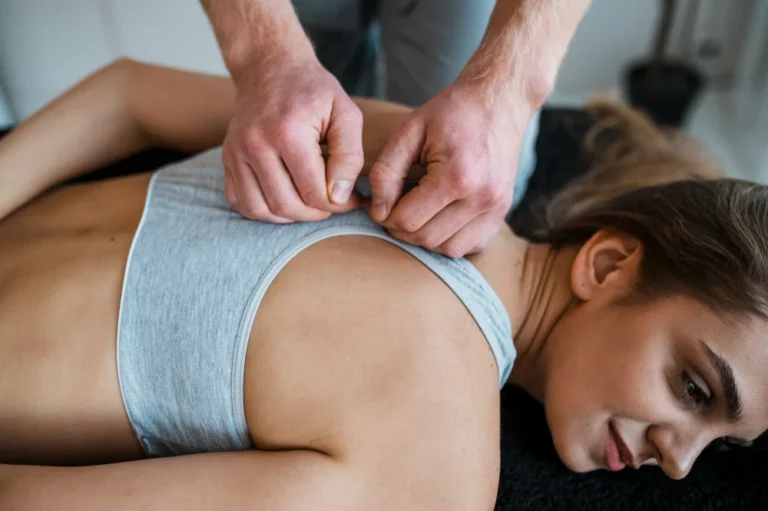
Have you ever noticed round marks on someone’s back after a massage? These marks often come from cupping, a traditional treatment that uses suction to lift the skin. Many people try this treatment to ease muscle tension, manage soreness and feel more relaxed. Unlike a regular massage, cupping massage does not rely only on hand pressure. It uses special cups to create a gentle pulling sensation on the skin.
With Zynk’s professional home massage services in Dubai, you can explore different massage treatments without leaving your home.
However, understanding how cupping works is important before booking your first session. This guide explains its different types, potential benefits, safety concerns and simple aftercare tips to help you make an informed choice.
What Is Cupping Therapy?
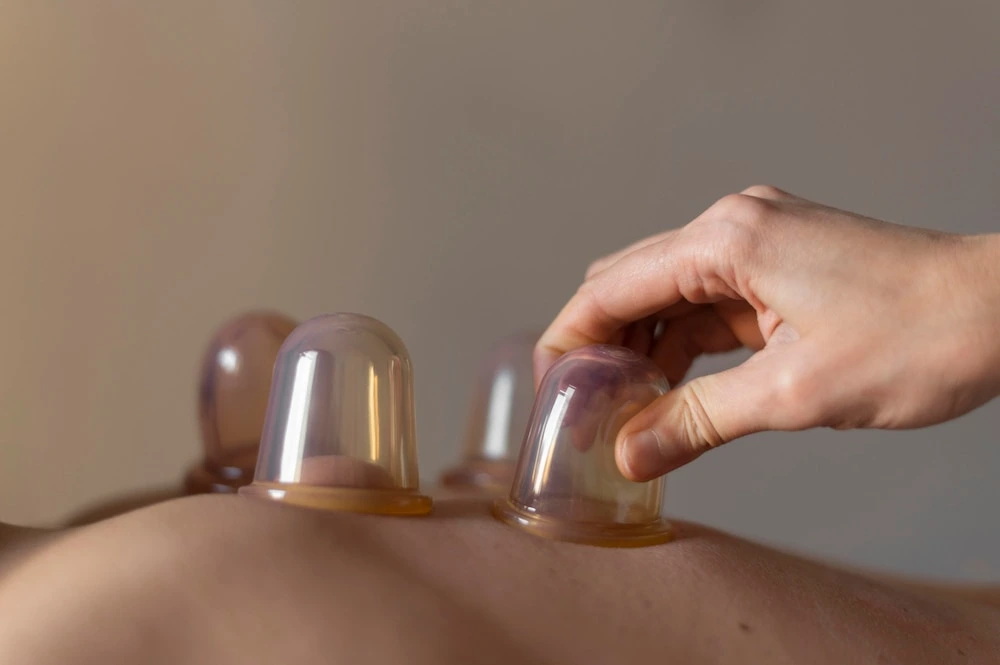
Cupping is a traditional treatment in which a trained practitioner places special cups on the skin to create suction. This suction lifts the skin and draws blood toward the treated area. The practice has been used for centuries across China, the Middle East and other parts of the world. Today, people often include it in their massage and wellness routines.
Practitioners may use cups made from glass, plastic or silicone. Common treatment areas include the back, shoulders, arms and legs. While some people use this method for pain relief, research into its health benefits is still limited.
How Does Cupping Massage Work?
A regular massage uses pressure to work on muscles and soft tissues. Cupping creates a pulling force instead. The practitioner places cups on selected areas of the body and creates suction inside them. Depending on the method, the cups may stay in one place for several minutes or move gently across the skin.
The suction increases local blood flow and may change how the body responds to discomfort. Some people feel less tension after treatment, while others may notice little difference. You may feel a mild pulling or tightening sensation during the session. However, strong suction and sharp pain are not signs of a better treatment. Always tell your practitioner if the pressure feels uncomfortable.
What Are the Different Types of Cupping?
There are several methods of cupping. The main differences involve how the cups are used and whether the skin remains unbroken.
Dry Cupping
Dry cupping uses suction without cutting or piercing the skin. The practitioner creates a vacuum using special cups and suitable suction equipment. People often choose this method when they want to explore massage for tight muscles, general soreness or relaxation. It can leave temporary circular marks, even though the skin remains unbroken.
Wet Cupping
Wet cupping, commonly known as Hijama, involves making small breaks in the skin as part of a treatment that draws out a limited amount of blood. Unlike dry methods, it carries additional risks related to bleeding, infection and scarring. It requires strict hygiene procedures, sterile equipment and an appropriately licensed healthcare practitioner.
Moving Cupping
Moving cupping combines suction with gentle massage movements. The practitioner applies oil or lotion to the skin so the cups can move across the treatment area. This method differs from stationary treatments because the cups are not kept in one position throughout the session.
Dry Cupping vs. Wet Cupping
Understanding the differences between these two methods can help you choose an appropriate treatment.
| Feature | Dry Cupping | Wet Cupping |
| Method | Suction | Suction with controlled blood removal |
| Skin piercing | No | Yes |
| Blood removal | No | Yes |
| Common purpose | Relaxation and muscle discomfort | Traditional complementary treatment |
| Infection risk | Present | Higher due to broken skin |
| Aftercare | Basic skin care | Additional wound care |
| Temporary marks | Possible | Possible |
Neither method is proven to be better for everyone. Your health, treatment goals and medical history should guide your decision.
What Are the Potential Benefits of Cupping Massage?
People often include cupping in their wellness routine to manage everyday muscle discomfort. Although some studies suggest possible benefits, the results vary from person to person.
1. May Reduce Muscle Tension
Long hours at a desk, frequent driving and physical work can leave your back and shoulders feeling tight. Some people report that cupping helps these areas feel more relaxed. It may offer temporary comfort when used alongside suitable movement, rest and other forms of care.
2. Increases Local Blood Flow
The suction draws blood toward the surface of the treated area. This is one reason why the skin may appear red after a session. However, increased local blood flow does not prove that the treatment can heal injuries or improve circulation throughout the body.
3. May Help Manage Short-Term Pain
Some research suggests that cupping may help reduce certain types of muscle and joint pain. According to the National Center for Complementary and Integrative Health (NCCIH), evidence for pain relief is promising but remains limited in quality.
4. Encourages Relaxation
Taking time away from work, screens and daily responsibilities can help you unwind. A comfortable massage session may support relaxation as part of a balanced self-care routine.
If you are interested in trying this treatment, explore Zynk’s professional cupping massage service and discuss your needs with the practitioner before your appointment.

What to Expect During Your First Cupping Session
Knowing what happens during an appointment can help you feel more comfortable.
| Stage | What to Expect |
| Before treatment | Discussion about your health and treatment goals |
| Preparation | The practitioner checks the skin and selects suitable treatment areas |
| Cup placement | Special cups create controlled suction |
| During treatment | A mild pulling or tightening feeling |
| Cup removal | The practitioner releases the suction |
| After treatment | Possible redness, round marks or mild soreness |
Tell your practitioner about any medications, skin problems, recent injuries or health conditions before starting. You should also discuss how visible the marks might be, especially if you have an upcoming event or plan to wear clothing that exposes the treated area.
What to Do After Cupping
Simple aftercare can help you stay comfortable and avoid irritating sensitive skin.
- Stay hydrated: Drink water according to your normal daily needs.
- Protect your skin: Avoid harsh scrubs and rubbing the treated areas.
- Wear comfortable clothing: Choose loose fabrics if your skin feels sensitive.
- Rest when needed: Avoid strenuous activity if you feel sore or tired.
- Avoid excessive heat: Skip very hot baths or saunas if the treated skin feels irritated.
- Follow wound care advice: If you received wet treatment, follow the healthcare practitioner’s instructions.
There is no need to follow a special detox diet after your appointment. Your liver and kidneys already perform the body’s natural waste removal functions.
Side Effects and Who Should Avoid Cupping
Although cupping can be suitable for some adults, it is not risk-free. Possible side effects include bruising, skin irritation, soreness, burns, dizziness and infection.
You should avoid the treatment or seek medical advice first if you:
- Are pregnant.
- Take blood-thinning medications.
- Have a bleeding disorder or anemia.
- Have open wounds or a skin infection.
- Have eczema or psoriasis in the treatment area.
- Have a history of blood clots or certain heart conditions.
Seek medical care if you develop severe pain, spreading redness, fever, burns or unusual discharge following treatment. A qualified practitioner should review your health history before deciding whether cupping is suitable for you.
Can You Get Cupping Therapy at Home?
Yes, cupping therapy at home can be an option when performed by a suitably qualified professional using appropriate equipment and hygiene practices. An at-home appointment can be convenient for Dubai residents who want to avoid traffic or relax without visiting a spa. Before arranging your session, ask about the treatment method, practitioner qualifications, equipment cleaning and any health restrictions.
If you are searching for cupping therapy in Dubai, confirm which treatment is available at your location. Wet methods require additional safety measures and must only be performed in an appropriately authorized setting. Avoid trying wet or fire-based methods on yourself, as incorrect use can cause serious injuries or infections.
Final Thoughts
Cupping is a traditional treatment that may help some people manage muscle discomfort and feel more relaxed. Understanding the differences between dry and wet methods, knowing what to expect and following proper aftercare can help you make safer choices.
Remember that the treatment should support your wellness routine rather than replace medical care. Persistent or unexplained pain should always be assessed by a healthcare professional.
If you would like to explore a treatment in the comfort of your home, learn more about cupping massage at home in Dubai with Zynk and discuss which method is suitable for your needs.
Frequently Asked Questions
1. Is cupping massage painful?
It should not cause sharp or severe pain. Most people experience a pulling or tightening feeling as the cups lift their skin. Mild soreness may occur afterward. Tell your practitioner immediately if the suction feels too strong.
2. How long do cupping marks last?
The marks usually fade within one to two weeks. Their appearance depends on the suction level, skin response and treatment method. Darker marks do not mean the treatment was more effective or that more toxins were removed.
3. Is dry cupping better than wet cupping?
Neither method is better for everyone. Dry cupping does not involve piercing the skin, which avoids the additional bleeding risks associated with wet methods. The right choice depends on your health, goals and advice from a qualified professional.
4. How often should you get cupping?
There is no single treatment schedule that works for everyone. The frequency depends on your health, skin response and reason for receiving treatment. Allow irritated or marked areas to recover and ask your practitioner for individual guidance before repeating a session.
5. Can cupping remove toxins from the body?
There is not enough reliable scientific evidence to show that cupping removes toxins from the body. The circular marks are caused by the skin’s response to suction, not by toxins leaving the body. Your liver and kidneys naturally manage waste removal.