
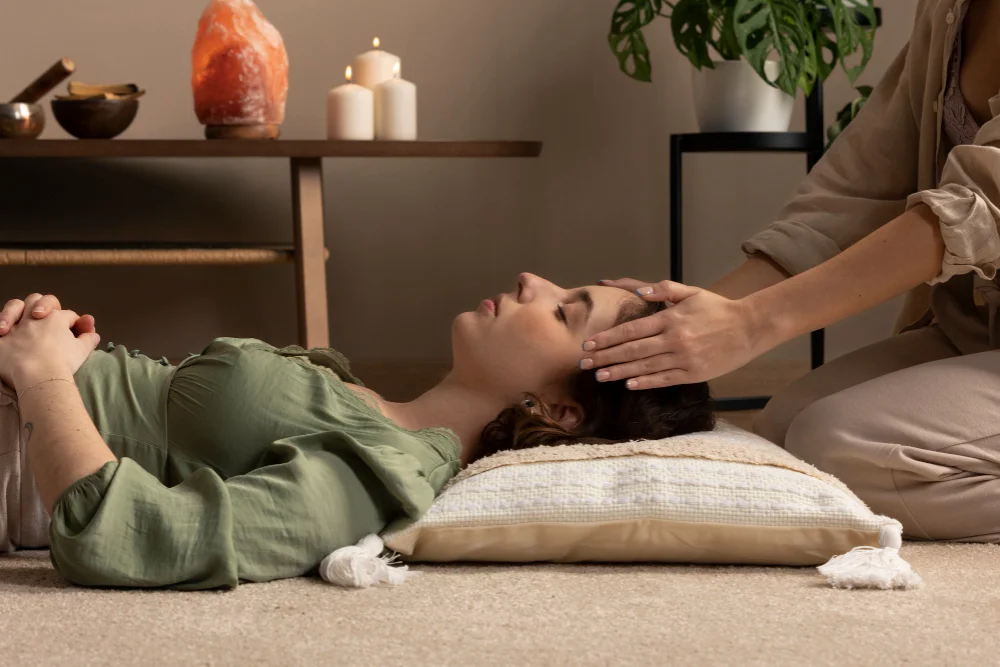
Emotional release after massage can happen when you become deeply relaxed and start noticing feelings that were less obvious before the session. Some people may cry, sigh, laugh, feel unusually calm, or suddenly remember something emotional.
These reactions can feel surprising, but they do not automatically mean that a massage has released emotions or trauma physically “stored” inside your muscles.
Massage mainly works through touch, pressure, movement, and relaxation. Research suggests that some forms of massage may influence the autonomic nervous system and support relaxation. However, emotional responses vary from person to person, and massage should not be considered a treatment for trauma, depression, or another mental health condition.
At Zynk, clients sometimes ask why they feel emotional during or after a massage. This guide explains what may cause emotional release after massage, common signs, differences between massage techniques, and when an emotional reaction may need more attention.
What Causes Emotional Release After Massage?
There is no single proven cause of emotional release after massage.
A massage session can reduce physical tension, provide quiet time, and temporarily remove you from work, screens, traffic, and everyday responsibilities. As your body settles, you may become more aware of thoughts, feelings, memories, or physical sensations that were already present.
Massage may also affect the autonomic nervous system, which helps regulate functions such as heart rate and the body’s stress response. Research on massage has observed changes associated with parasympathetic activity, although the exact effects depend on the massage technique, pressure, individual, and study design.
This is one reason emotional release after massage may feel sudden even if you did not expect to become emotional.
Physical touch can also feel reassuring or emotionally meaningful. For some people, simply spending an hour in a calm environment without distractions creates enough space for emotions to become more noticeable.
This does not prove that emotions are literally stored inside muscles or connective tissue. A more accurate explanation is that relaxation, body awareness, touch, and the personal meaning of the experience may all contribute to an emotional response.
7 Common Signs of Emotional Release After Massage
An emotional response will not look the same for everyone. Possible signs include:
- Crying or becoming tearful without an obvious reason
- Taking deep breaths or sighing frequently
- Feeling unexpectedly calm or light
- Laughing or smiling while relaxing
- Becoming more aware of a memory or emotion
- Feeling tired or mentally quiet after the session
- Wanting some quiet time after the massage
These can be signs of emotional release after massage, but experiencing them is not necessary for a massage to be beneficial.
Crying after massage is also not automatically a negative reaction. It may simply happen alongside deep relaxation, physical touch, stress reduction, or a personal thought that comes to mind during the session.
Is It Normal to Be Emotional After a Massage?
If you are wondering, “is it normal to be emotional after a massage?”, the answer is that it can happen to some people.
You may feel relaxed, tearful, reflective, happy, tired, or unusually quiet. Other people finish their massage without any noticeable emotional response at all.
Neither response means that the treatment worked better or worse.
You also do not need to force an emotional reaction or try to stop one. If you become uncomfortable, tell your therapist. You can ask them to reduce the pressure, change the area being worked on, pause the session, or stop completely.
If emotions become intense, distressing, persistent, or connected with an existing mental health concern, speak with an appropriate healthcare or mental health professional.
Massage may support relaxation, but it does not replace professional mental health care.
Emotional Release After Deep Tissue Massage
Some people specifically report emotional release after deep tissue massage.
Deep tissue massage uses firmer pressure and focuses on deeper layers of muscle and connective tissue. Because the physical sensations can be stronger, you may become more aware of areas where you hold tension or discomfort.
This often leads to another question:
Does Deep Tissue Massage Release Emotions?
When people ask “does deep tissue massage release emotions?”, it is important to separate personal experience from scientific evidence.
There is currently no strong evidence showing that deep tissue massage physically removes emotions that have been stored inside muscle tissue.
Instead, strong physical sensations, focused attention, relaxation, personal associations, and becoming more aware of your body may sometimes contribute to an emotional response.
Deep tissue massage can also cause temporary physical tenderness, especially if you are not accustomed to firm pressure.
Emotional release after massage should not be confused with pain or excessive pressure. Always tell your therapist when a technique feels painful rather than therapeutic.
Emotional Release After Lymphatic Massage
People also search for emotional release after lymphatic massage, particularly after a calm or gentle lymphatic drainage session.
Lymphatic drainage massage is very different from deep tissue massage. It normally uses light and rhythmic movements rather than strong pressure.
Its gentle pace can provide a relaxing environment where some people become more aware of their mood, breathing, or thoughts.
However, it would be inaccurate to say that lymphatic drainage massage removes “emotional blockages.”
Lymphatic drainage massage has specific physical applications, particularly in managing certain types of fluid buildup and swelling. If you are receiving lymphatic massage following surgery or for a medical condition, follow your healthcare professional’s recommendations.
Can Emotional Release Happen the Day After Massage?
An emotional release day after massage can also be reported.
You may continue thinking about the experience, feel more tired than usual, become reflective, or notice a temporary difference in your mood.
That does not necessarily mean your tissues are continuing to “release emotions.”
Your reaction the following day can be influenced by many things, including:
- how deeply you relaxed
- muscle soreness
- sleep quality
- your stress level before the session
- your expectations
- thoughts that came up during the massage
Emotional release after massage can therefore feel immediate or become more noticeable later, but there is no scientifically established timeline that everyone follows.
If you simply feel reflective or slightly emotional, give yourself time to rest and return to your normal routine.
Feeling Depressed After Massage: Should You Be Concerned?
Feeling depressed after massage should not automatically be described as “emotional detox” or proof that healing is taking place.
A temporary change in mood may happen for many reasons. However, emotional release after massage and clinical depression are not the same thing.
If feelings of sadness, hopelessness, low motivation, or loss of interest continue or begin affecting your everyday life, speak with a qualified healthcare professional.
The National Institute of Mental Health explains that persistent low mood, loss of interest, changes in sleep or appetite, difficulty concentrating, and problems carrying out daily activities can be signs that professional support may be appropriate.
Massage can be part of a relaxing wellness routine, but it should not be used as a treatment for depression.
Are “Detox Symptoms After Massage” Real?
The phrase detox symptoms after massage is commonly used online to describe symptoms such as:
- tiredness
- muscle soreness
- headache
- feeling slightly different after a strong massage
However, these symptoms should not automatically be blamed on “toxins leaving the body.”
The American Massage Therapy Association notes that there is no scientific evidence supporting the popular claim that massage squeezes toxins from muscles into the bloodstream.
Your body already has systems responsible for processing and removing metabolic waste.
Feeling sore after a massage can have much simpler explanations, especially after firm or deep tissue work.
Drink water according to your normal needs and rest if you feel tired, but there is no need to drink excessive amounts of water to “flush toxins” released during massage.
Can Self-Massage for Emotional Release Help?
Self-massage for emotional release can be used as a simple relaxation practice, but it should not be presented as a technique for releasing trauma or treating mental health conditions.
Gentle self-massage may help you slow down and become more aware of your breathing and body sensations.
Areas that are generally easy to massage gently include the:
- hands
- shoulders
- scalp
- feet
Keep the pressure comfortable.
You can also combine gentle self-massage with slow breathing, quiet surroundings, light stretching, or a short break from phones and other screens.
Stop if self-massage causes pain, numbness, dizziness, or emotional distress.
Are There Specific Emotional Release Massage Techniques?
People searching for emotional release massage techniques may expect there to be a particular massage style designed to unlock stored emotions.
There is no single scientifically established massage technique that has been proven to release emotions from the body.
Different massage styles instead provide different types of physical stimulation and relaxation.
Swedish Massage
Swedish massage uses smooth, flowing strokes and generally lighter to moderate pressure. It is often chosen by people who mainly want relaxation.
Deep Tissue Massage
Deep tissue massage involves firmer pressure and focuses on deeper muscle layers. It may suit people looking for targeted muscle work rather than purely light relaxation.
Thai Massage
Thai massage combines pressure with assisted stretching and movement. The experience is generally more active than a traditional Swedish massage.
Lymphatic Drainage Massage
Lymphatic drainage massage uses very light, rhythmic movements and may be recommended for specific physical reasons.
Pregnancy Massage
Pregnancy massage adapts positioning and massage techniques to provide greater comfort during pregnancy.
Rather than choosing a treatment specifically to cause emotional release, choose a massage according to your physical needs, pressure preference, health history, and comfort level.
Emotional Release Meaning in Urdu
For readers searching emotional release meaning in Urdu, the phrase can be described simply as:
“Jazbaat ka izhar ya jazbaati bojh ka halka hona.”
In simple terms, emotional release means becoming aware of or expressing feelings that may previously have been ignored or held back.
In massage discussions, the phrase may describe reactions such as crying, feeling relief, becoming calm, or suddenly noticing an emotion during or after a session.
It should not be interpreted as scientific proof that emotions are physically trapped inside muscles.
How to Handle Emotional Release After Massage
If emotional release after massage happens, there is usually no reason to panic or analyse every reaction immediately.
Take a few slow breaths and allow yourself a little time to settle.
If you are still receiving the massage, tell the therapist if you need a break or want the pressure changed.
After your session, you can:
- rest if you feel tired
- drink water normally
- avoid the idea that you need to “flush toxins”
- take a short quiet break
- write down what you noticed if that helps you
- speak to someone you trust if you want support
If the emotions become overwhelming, continue for a long period, repeatedly affect your daily activities, or make you concerned about your mental health, speak with a healthcare professional.
Why an At-Home Massage May Feel More Comfortable
An emotional reaction can feel private. For some people, having a massage at home can make the experience more comfortable because they are already in familiar surroundings and do not need to travel immediately after the session.
Zynk provides at-home massage in Dubai, with treatments including Swedish massage, deep tissue massage, Thai massage, pregnancy massage, and lymphatic drainage massage.
Your therapist can adjust pressure and treatment style according to your preferences.
The goal should always be comfort and relaxation rather than trying to force emotional release after massage.
Final Thoughts
Emotional release after massage may appear as tears, relief, laughter, quietness, reflection, or a temporary change in mood.
Current evidence does not show that massage physically removes emotions stored inside your muscles. A more careful explanation is that relaxation, touch, body awareness, changes in nervous-system activity, and time away from everyday stress may make existing feelings more noticeable.
If the response is brief and manageable, give yourself time to relax and process how you feel.
If you experience persistent low mood, severe emotional distress, or symptoms that interfere with your everyday life, seek guidance from a qualified healthcare or mental health professional.
For people who prefer to relax in familiar surroundings, Zynk offers professional at-home massage services in Dubai with different massage styles and pressure levels. Choose the treatment that matches your needs and tell your therapist what feels comfortable throughout your session.